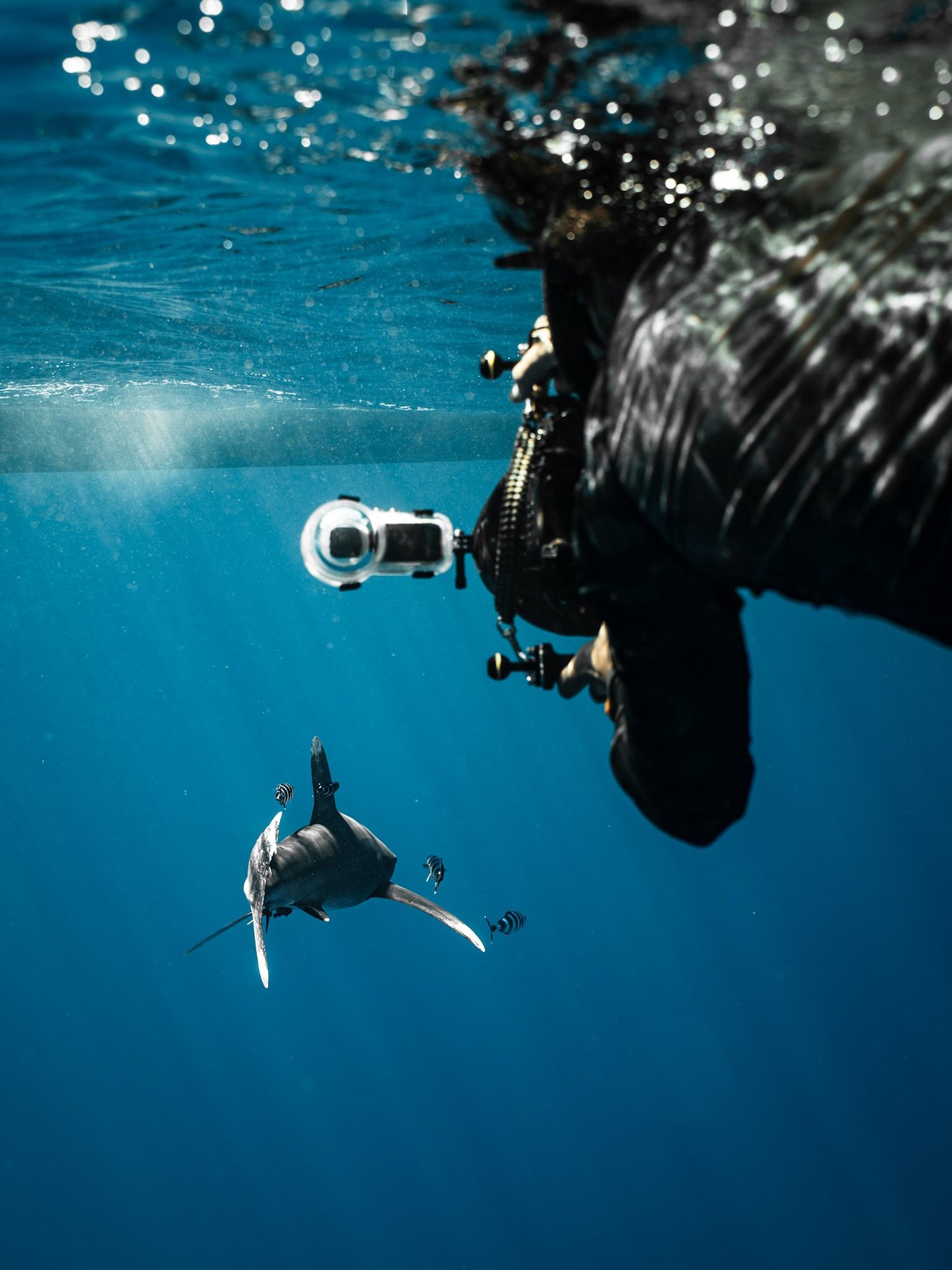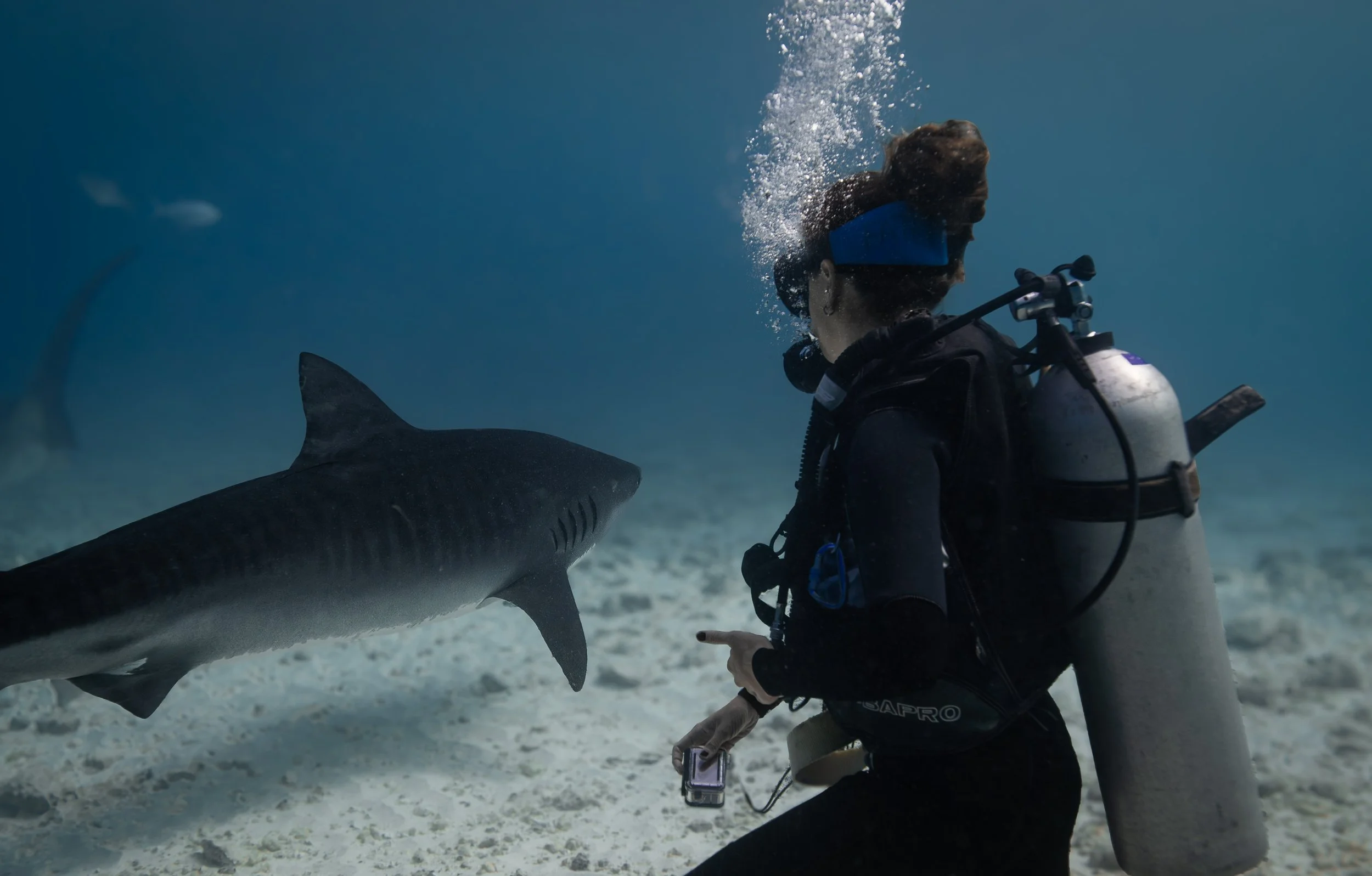
Science focused where
long-term evidence
matters most.
Research directed by scientific value, evidence gaps and long-term potential.
Shark Search directs sustained research effort towards questions where stronger evidence can meaningfully advance understanding of sharks and the marine systems they depend upon.
Priority is given to research where robust methods, repeated observation and appropriately structured data can build evidence beyond a single encounter or field season.
Research direction is also shaped by identified knowledge gaps, scientific feasibility, available expertise, opportunities for collaboration and the potential for findings to contribute to conservation, management and public benefit.
Where sustained research can build the strongest evidence.
Shark Search concentrates continued research effort in areas where repeated observation, structured records and appropriate study design can strengthen knowledge across individuals, populations, habitats and time.
Individual identification & longitudinal records
Validated individual identification, validated encounter histories and continuity of known sharks across locations and time.
Movement, residency & habitat use
Repeated observations used to investigate site use, residency, recurrence and documented movement between locations.
Population & ecological patterns
Structured records contributing to questions of occurrence, aggregation, population patterns and ecological change where study design supports inference.
Environmental drivers & human pressures
Investigating shark observations alongside environmental conditions, habitat change and documented human pressures where appropriate evidence is available.
Evidence builds.
Priorities evolve.
Research designed to become more valuable with time.
Shark Search prioritises work that can contribute to a useful scientific record beyond a single encounter, field season or project.
Priorities are reviewed as the evidence develops.
Research priorities are not fixed indefinitely. They are reviewed as datasets develop, scientific questions become better resolved and new evidence identifies areas where sustained investigation may add value.
Decisions also consider scientific expertise, methodological feasibility, collaboration opportunities, available resources and the operational or regulatory requirements of individual projects.
Research effort is directed where Shark Search can make a scientifically defensible contribution.
Research may also generate evidence relevant to wider ocean-science and conservation priorities.
Sustained research remains subject to scientific justification.
Evidence
What is already known, what remains unresolved and where additional research could meaningfully strengthen understanding.
Capability
Whether the question can be investigated using appropriate methods, expertise, partnerships and available resources.
Continuity
Whether the work can contribute to a comparable and scientifically useful record over time.