Explore Shark Science. Understand the research behind it.
Research-led education, scientific resources and pathways for people to engage more deeply with sharks and the marine systems they inhabit.

Research-Led
Learning Resources
Explore evidence-based resources developed from shark biology, ecological research, monitoring methods, scientific publications and current conservation questions.
Each resource is designed to help readers understand not only what scientists know, but how evidence is collected, interpreted and communicated.
Representing the
Next Generation of
Shark Science
The Shark Search Youth Ambassador Program selects young representatives from regions around the world to engage with shark research, conservation science and scientific communication.
The programme creates space for young people to develop their knowledge, contribute regional perspectives and strengthen the skills required to communicate scientific evidence clearly.
Enquiries are welcome regarding the next programme intake, eligibility requirements and the application process.


Bring Shark Science
into the Classroom
Shark Search connects schools, educators and community organisations with learning grounded in shark biology, field research, scientific methods and conservation evidence.
Schools and organisations can enquire about developing learning programmes, research presentations, educational sessions and future opportunities to engage with Shark Search science.
Curious about sharks?
Ask the science.
The internet is a big place, and it is not always easy to know what shark information is accurate. Ask Shark Search gives people a focused place to explore questions about shark biology, behaviour, ecology, research and conservation.
Questions stay focused on sharks, research and marine science.
Answers are designed around factual scientific understanding.
Science explained in clear, accessible language for anyone who wants to learn.
Ask about shark biology, behaviour, ecology, research methods, conservation or the marine environments sharks inhabit.
Exploring your shark science question...
Explore Shark Science
Through Film.
Explore a curated collection of shark science films designed to encourage curiosity, introduce new ideas and help young learners investigate the biology, ecology and evolution of sharks.
Start Exploring
Watch the featured film, then continue through the collection below to explore different perspectives on sharks and the science used to understand them.
What new question about sharks does this film make you want to ask?
Three more films selected for shark learning.
Shark Science Film
Watch, investigate and think about the scientific questions raised throughout the film.
Discover Sharks
Build your understanding of sharks and discover some of the characteristics that make these animals remarkable.
Sharks Through Science
Continue exploring shark science and the evidence researchers use to understand sharks across time and changing marine environments.
Turn what you watched
into a question.
Science begins with curiosity. Use Ask Shark Search to investigate something from the films, explore a new species or learn more about the research behind what you have just watched.
Ask Shark Search ↑
Continue Exploring
Shark Science.
Explore selected scientific research covering shark biology, behaviour, conservation, human interactions and the methods researchers use to better understand sharks and rays.
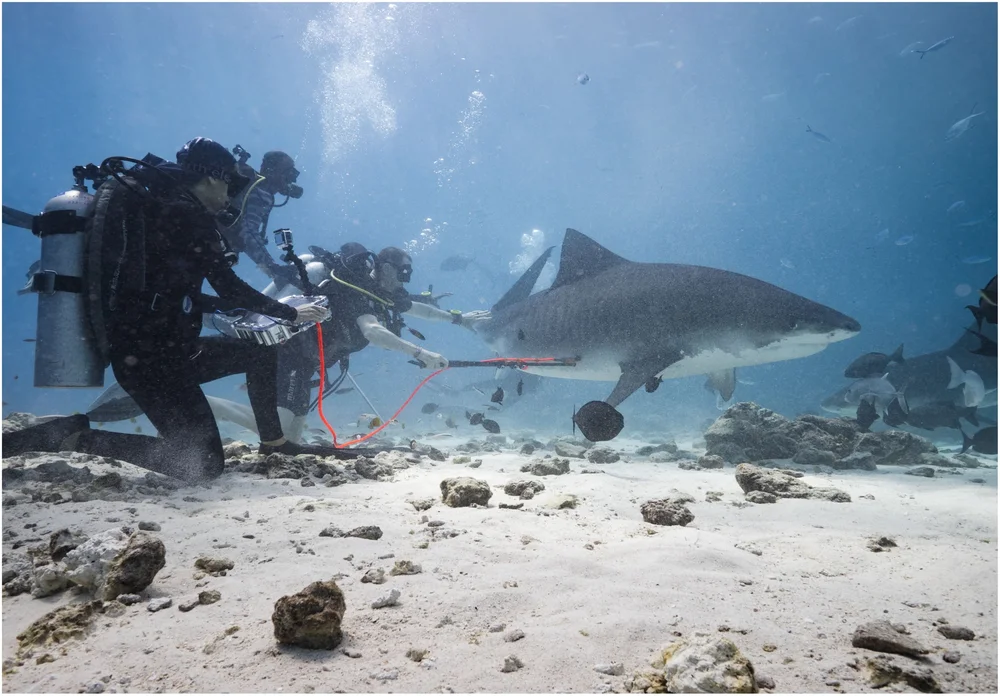
Identification of the First Gestational Ground for Tiger Sharks (Galeocerdo cuvier) in the Central Indian Ocean Using a High-Definition Submersible Ultrasound
Researchers used underwater ultrasonography to assess free-swimming tiger sharks at Fuvahmulah in the Maldives. Embryos were detected in 26 of 28 scanned adult females, supporting evidence that the site functions as an important gestational ground.
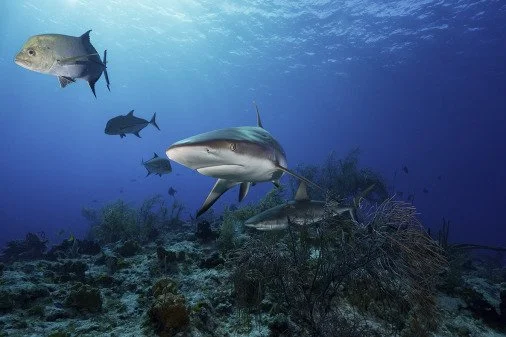
Marine Conservation: Reef Sharks Need Bigger Protected Areas
This scientific dispatch discusses evidence that many marine protected areas surrounding coral reefs are too small to effectively protect reef-associated sharks and considers the implications for spatial conservation planning.
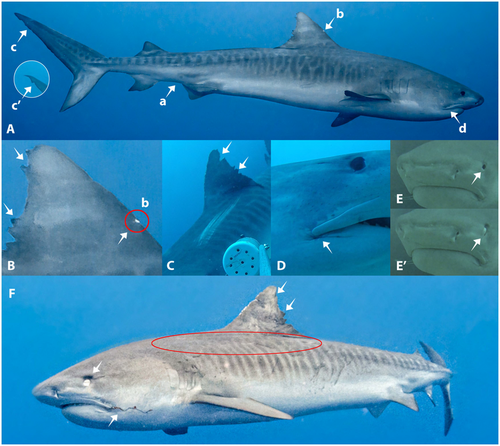
First Evidence of Individual Sharks Involved in Multiple Predatory Bites on People
This study examines photographic and genetic evidence associated with individual sharks involved in multiple bite events, contributing to scientific discussion surrounding individual behaviour and human-shark interactions.
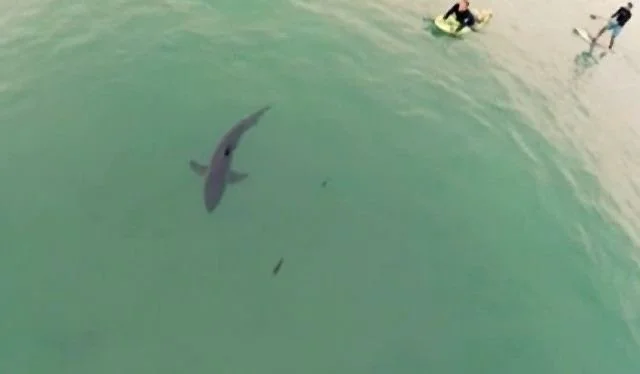
Assessing White Shark (Carcharodon carcharias) Behavior Along Coastal Beaches for Conservation-Focused Shark Mitigation
Drone observations were used to investigate white shark movement along coastal beaches, including swimming direction, speed and behavioural responses associated with environmental and biological conditions.
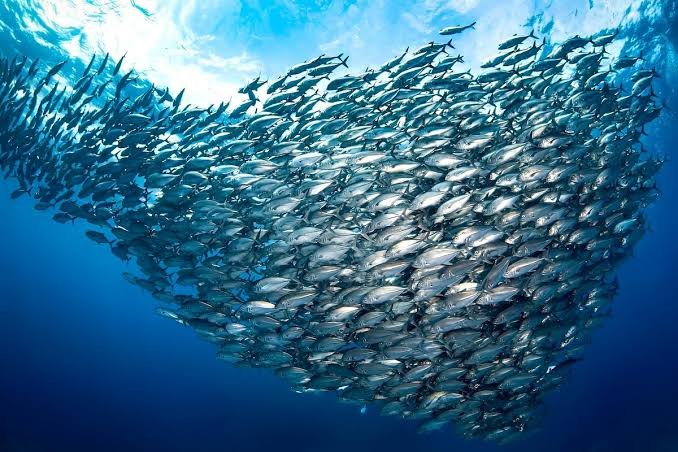
Sharks and How to Save Them
A conservation-focused perspective examining the global pressures facing sharks and rays and the scientific, management and societal responses required to support population recovery.
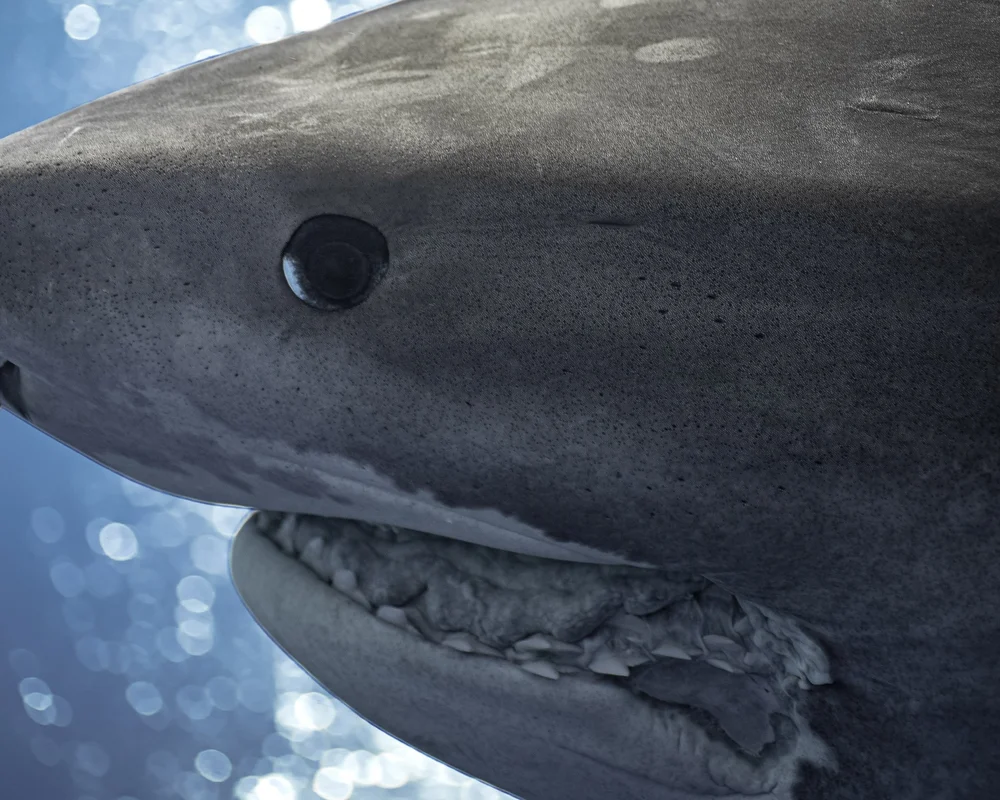
The Role and Value of Science in Shark Conservation Advocacy
This research considers how scientific evidence contributes to shark conservation advocacy and explores the relationship between research, conservation priorities and public policy.
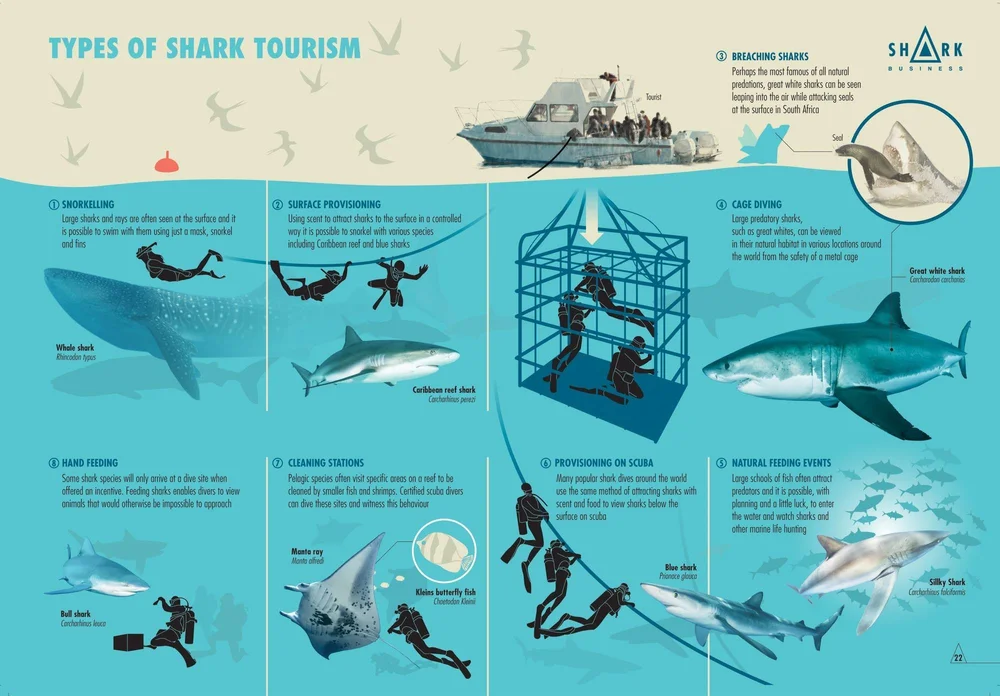
The Shark Watching Industry and its Potential Contribution to Shark Conservation
This publication examines the relationship between shark-watching tourism, economic value and conservation, including the potential contribution of non-consumptive shark use to conservation outcomes.
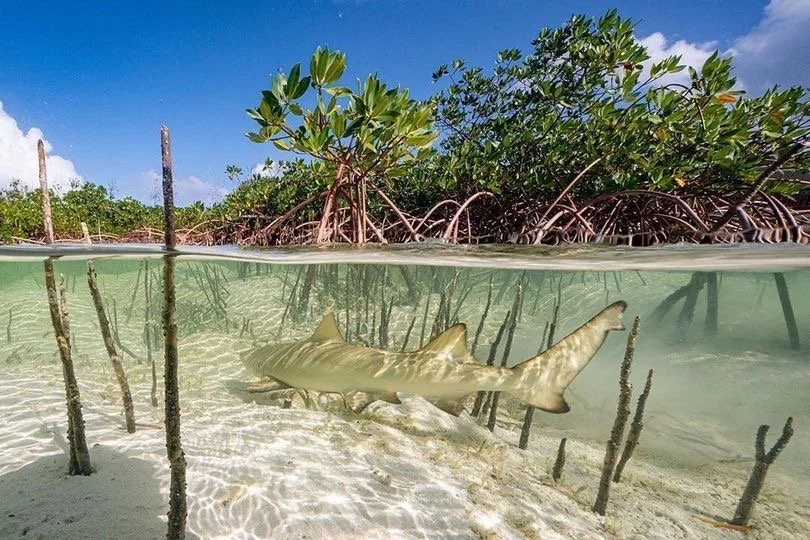
The Importance of Research and Public Opinion to Conservation Management of Sharks and Rays: A Synthesis
This synthesis considers research priorities for shark and ray conservation and highlights the importance of integrating biological, ecological, social and economic evidence into management.
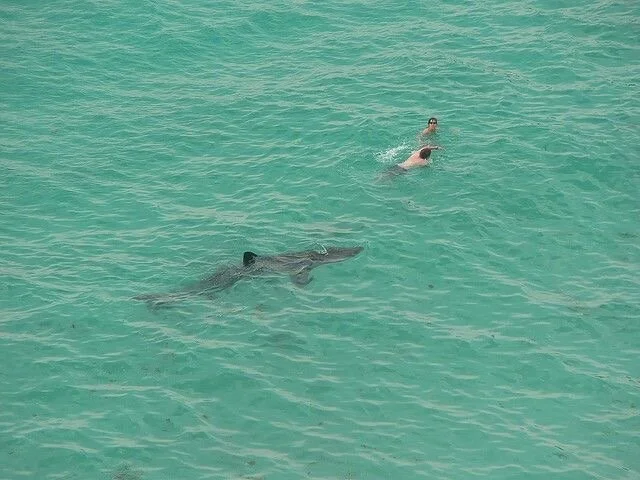
Killing Sharks: The Media's Role in Public and Political Response to Fatal Human-Shark Interactions
This study examines how media coverage of fatal shark incidents can influence public perception and political responses, including the implications of media framing for shark management and conservation.
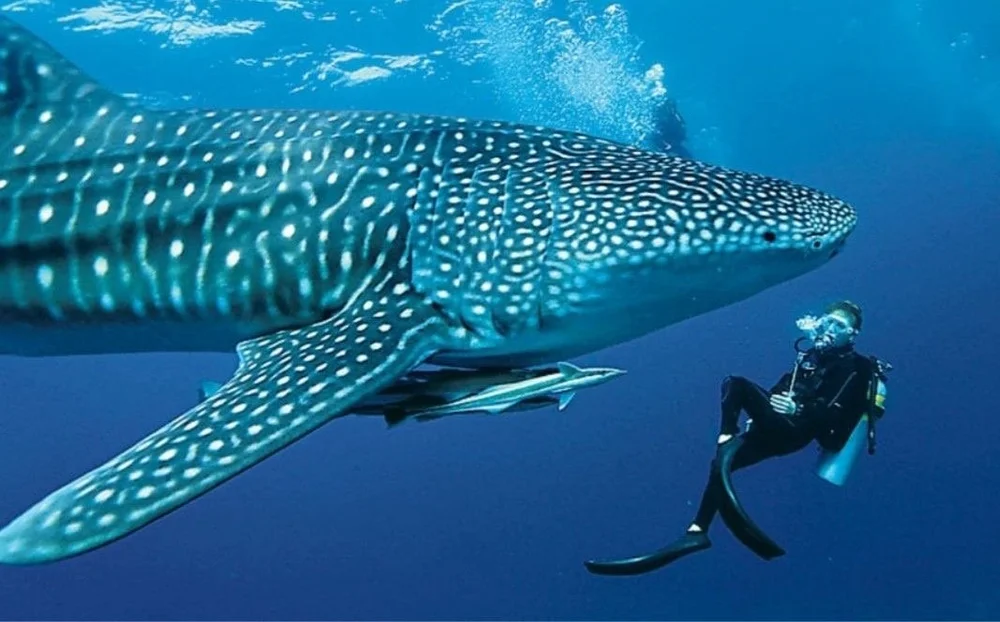
Coexisting with Sharks: A Response to Carter and Linnell
This response examines sharks within broader discussions of human-wildlife coexistence and highlights the importance of including marine predators in conservation and conflict-management frameworks.