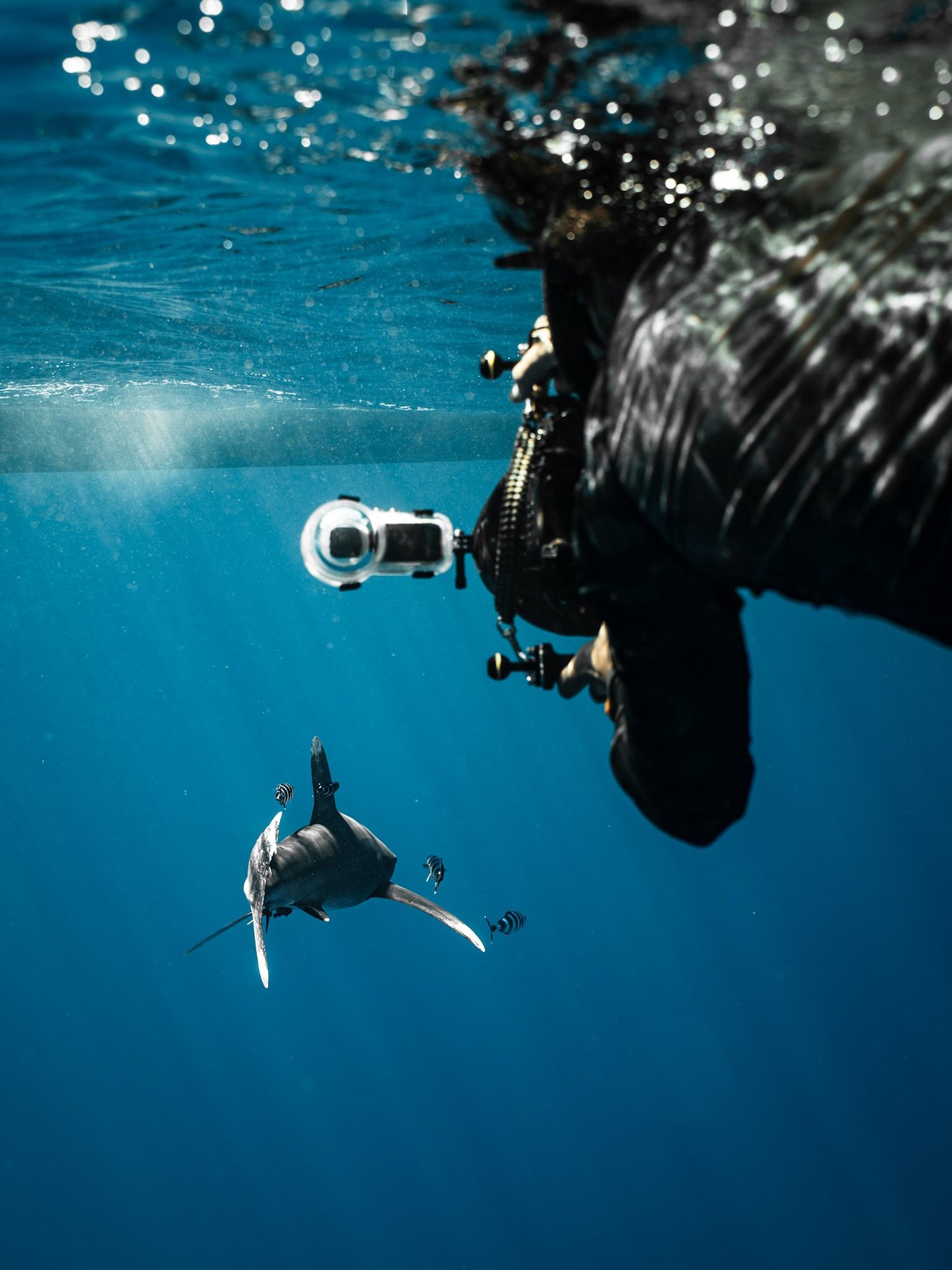
The Scientific Questions
That Define Our Work.
Research spanning individual sharks, populations and the marine systems they inhabit.
Shark Search investigates shark identification, movement, habitat use, behaviour and population patterns, while building long-term records that can contribute to understanding ecological change. Our work connects repeated observations across individuals, locations and time.
Where research design and available evidence allow, these records can support investigation into residency, connectivity, environmental drivers, human pressures and conservation priorities.
RESEARCH SCOPE
A broad but defined
scope for shark research.
Shark Search investigates questions spanning individual sharks, populations, habitats and the marine systems that influence shark biology, distribution and ecological patterns.
Research methods are selected according to the scientific question, available evidence and requirements of each project.
CORE RESEARCH AREAS
Research Index
Select an area to move directly to its research scope below.
Connecting individual encounters with population, habitat and conservation questions.
Shark Search works across multiple levels of biological and ecological investigation, from recognising individual sharks to examining how populations use habitats, respond to environmental conditions and interact with changing marine systems.
Individual identification &
longitudinal records
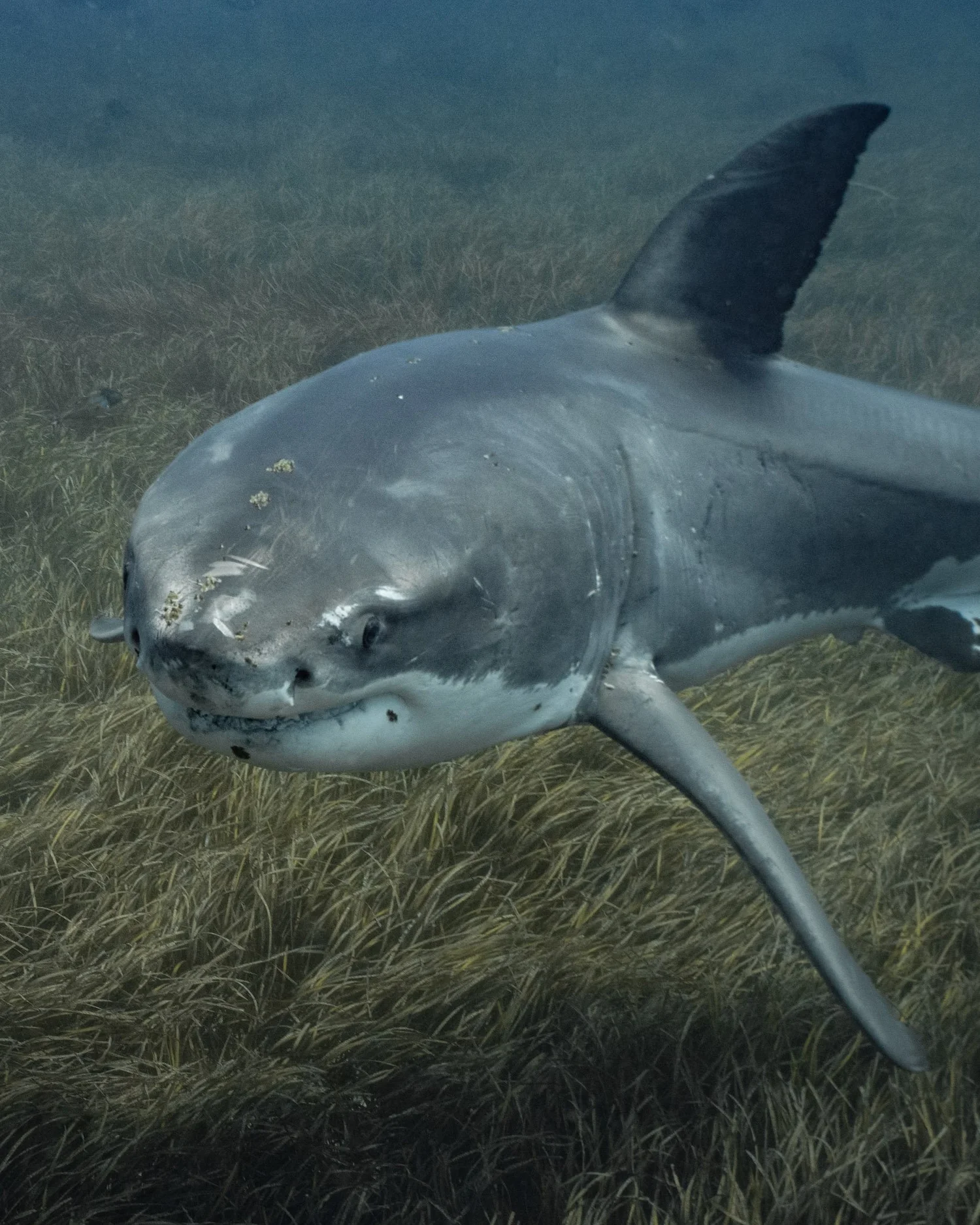
Recognising individual sharks across repeated encounters allows isolated observations to become structured histories that can be examined across locations and over time.
Shark Search evaluates distinctive characteristics including fin morphology, pigmentation, pattern structure, scars and other species-specific features alongside image quality, feature visibility, encounter metadata and scientific review.
Validated identifications can support catalogue continuity, re-sighting histories and longitudinal monitoring of known individuals. Where sampling design and analytical assumptions are appropriate, these records may also contribute to mark-recapture applications and assessments of individual recurrence.
Population ecology, movement
& habitat use
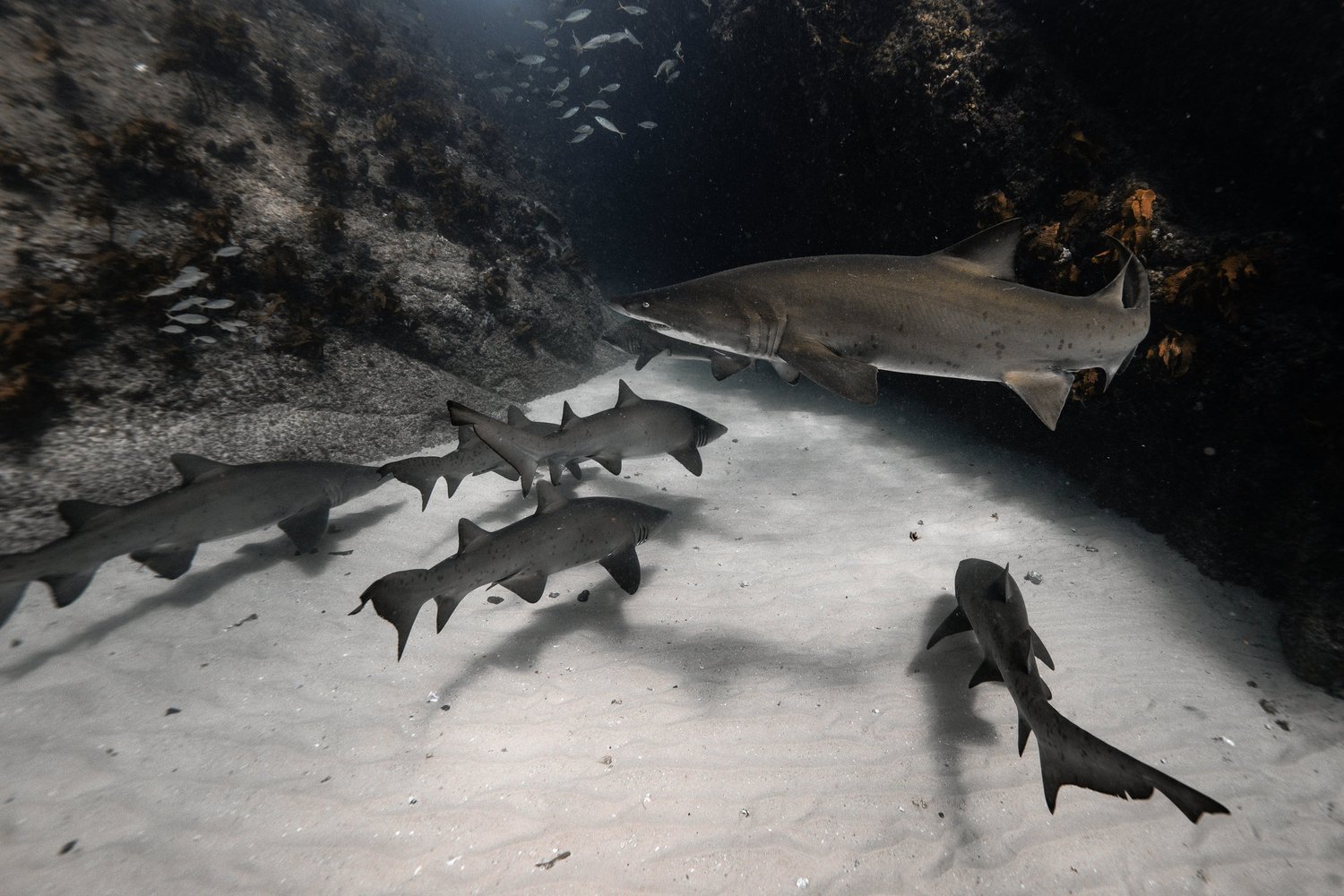
Repeated observations can reveal how sharks use sites, habitats and regions through time, linking individual encounters to broader ecological patterns.
Depending on project design, research may examine residency, recurrence, site fidelity, aggregation, seasonal occurrence, connectivity and documented movement between locations.
Where sampling effort is sufficient and appropriately structured, observations may also contribute to questions concerning population structure, relative abundance, recruitment and changes in occurrence. Environmental variables such as temperature, depth, tides, prey availability and oceanographic conditions may be incorporated where relevant to the research question.
Behaviour, environmental change
& human pressures
Understanding shark ecology requires observations to be interpreted within the environmental, behavioural and human context in which they occur.
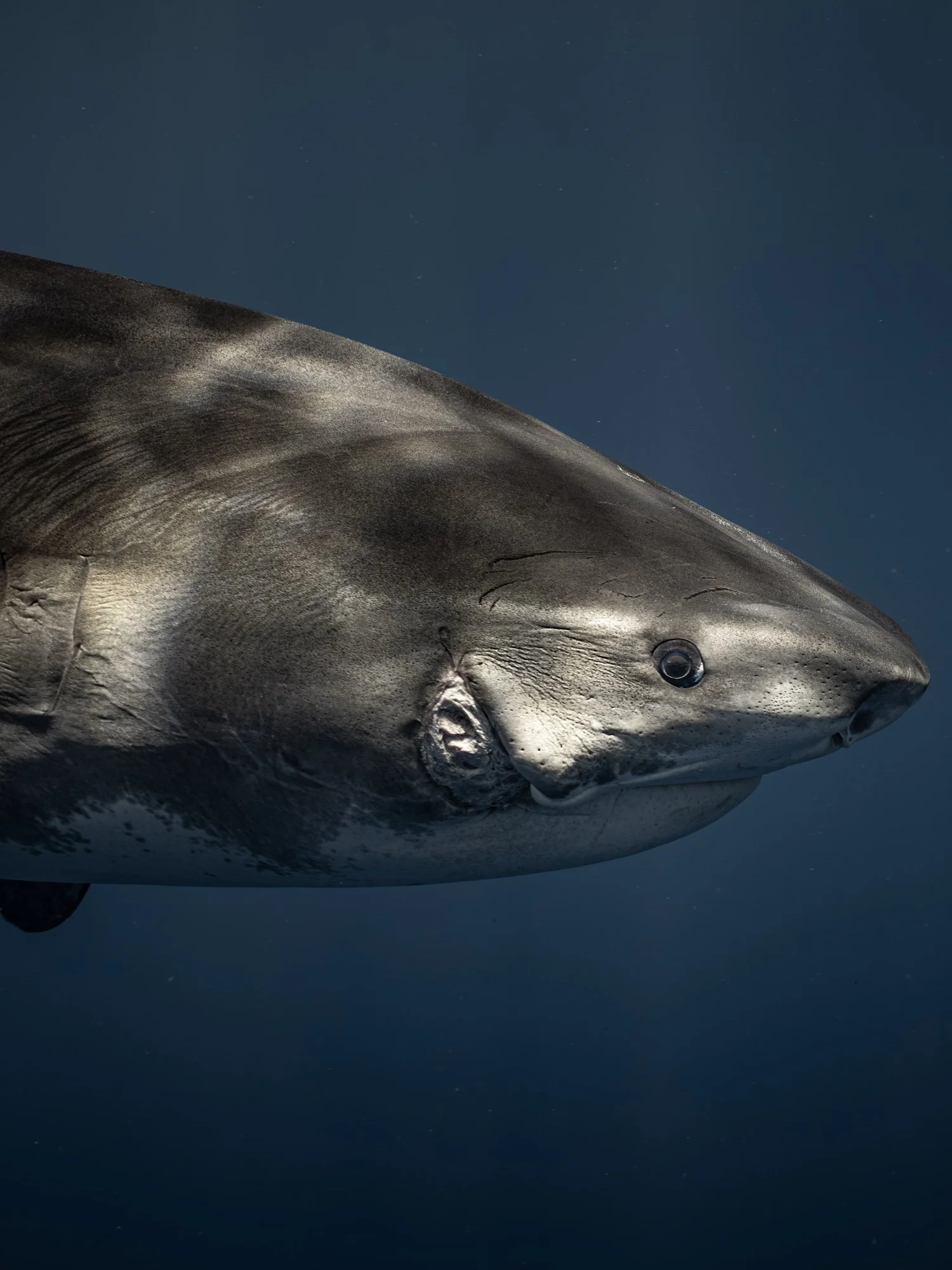
Research may investigate documented behaviour, habitat association, foraging, aggregation and ecological interactions together with responses to environmental variability and changing marine conditions.
Project-specific assessments may also examine injury and scarring, fisheries interactions, bycatch, habitat degradation, coastal development and climate-related change. Interpretations remain proportionate to sampling design, observation method and available evidence, and individual encounters are not treated as evidence of broader behavioural or population-level patterns.
Research infrastructure,
collaboration & application
Long-term research depends on scientific systems that preserve continuity, strengthen collaboration and maintain the integrity of evidence as projects develop.
Shark Search Atlas supports the wider research programme through structured observation records, biometric identification, metadata management, catalogue continuity and documented re-sighting histories. It operates as research infrastructure that complements field methods, study design, statistical analysis and scientific review rather than replacing them.
Collaborative research may involve universities, researchers, conservation organisations, governments, communities and responsible industry partners. Contributor permissions, attribution, confidentiality, data stewardship and project-specific governance requirements are defined according to the scientific context and intended use of the research.
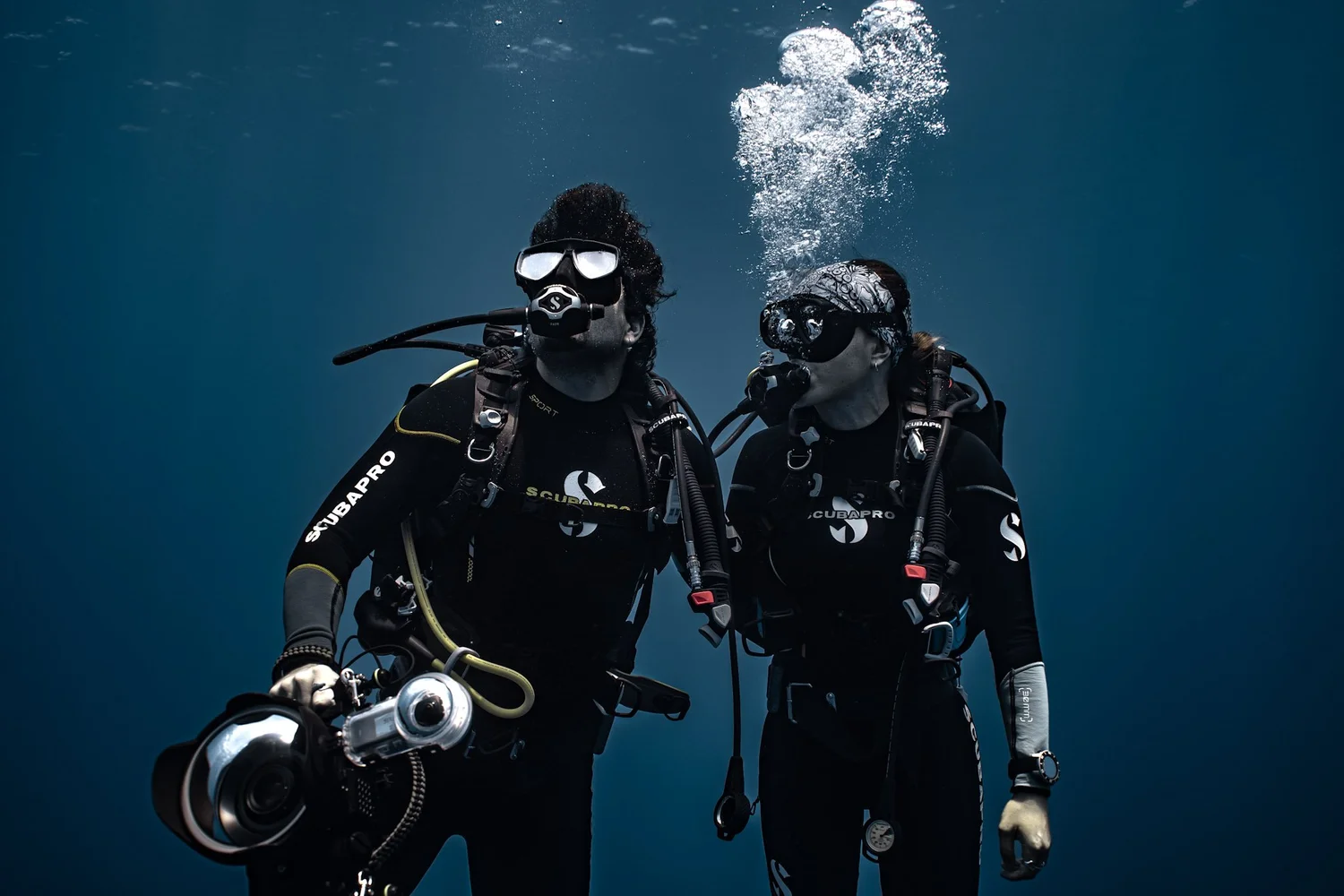
From observation to evidence.
Current Atlas
species coverage.
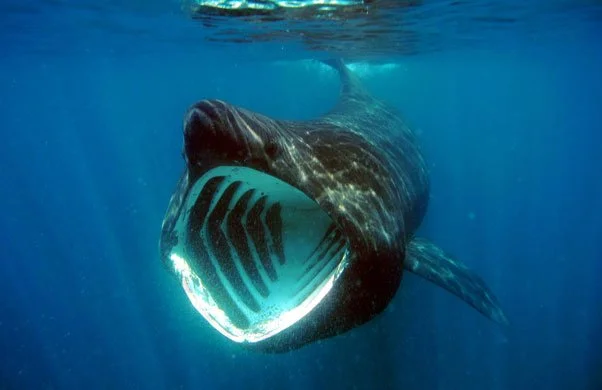
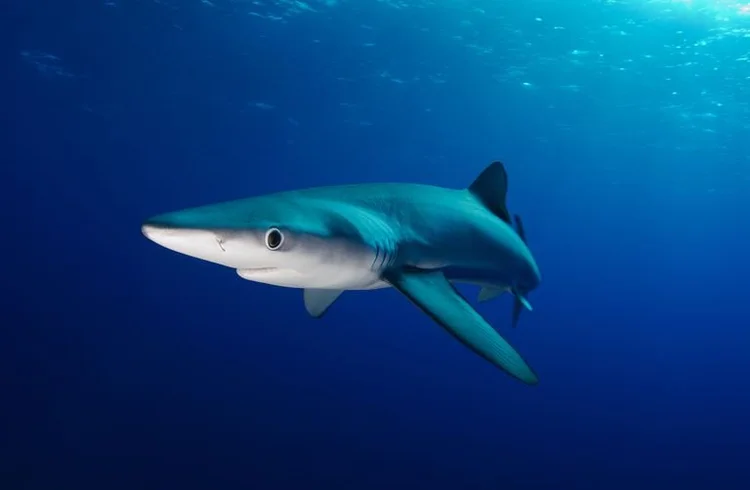
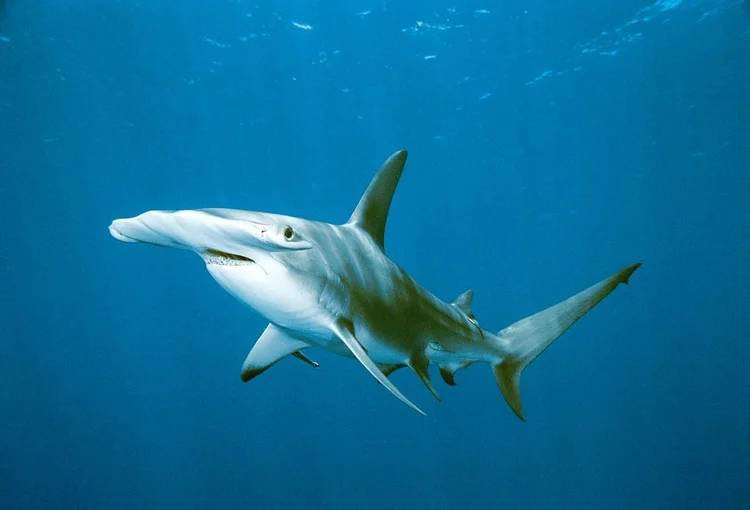
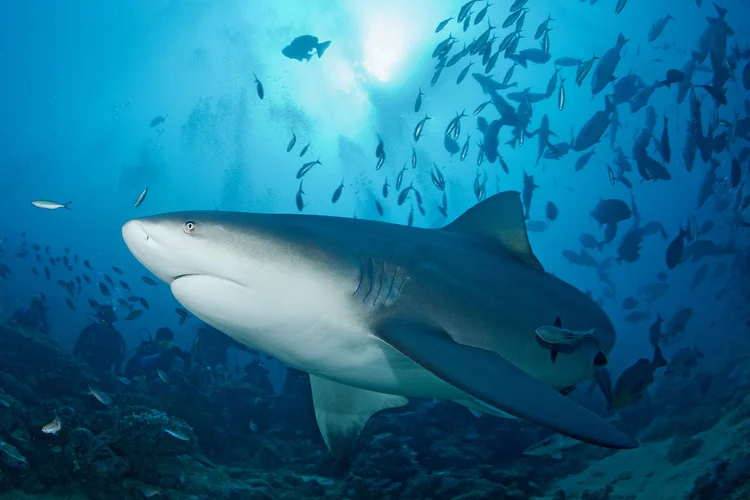
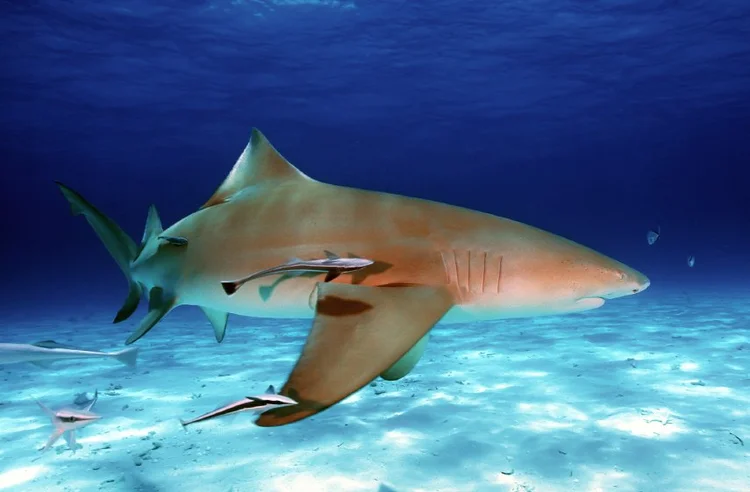
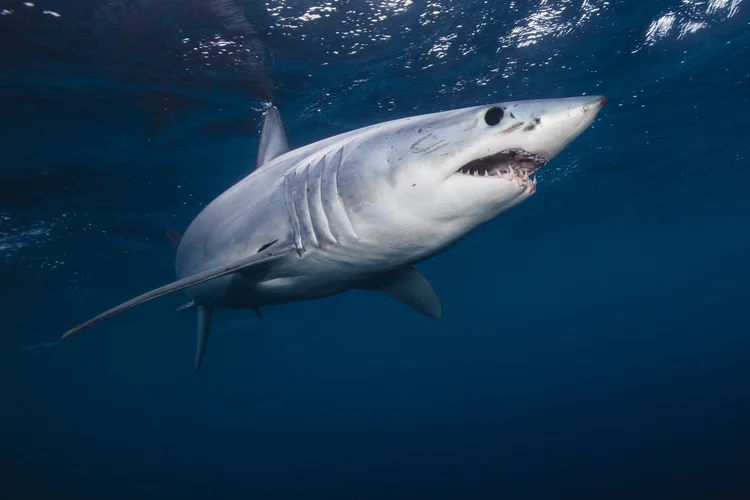
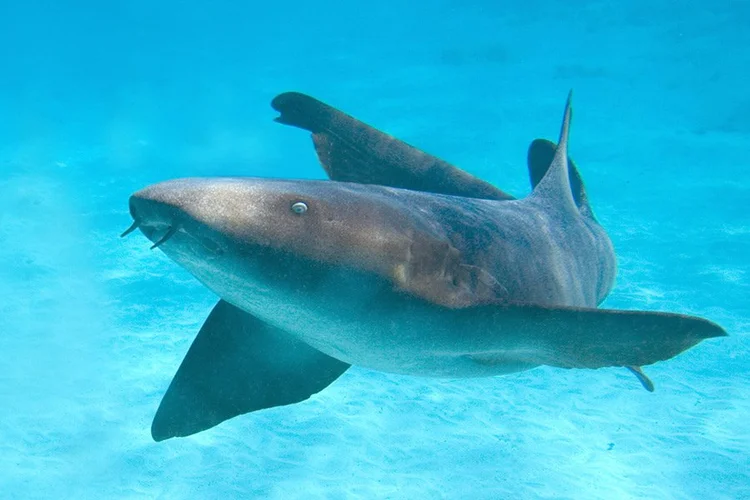
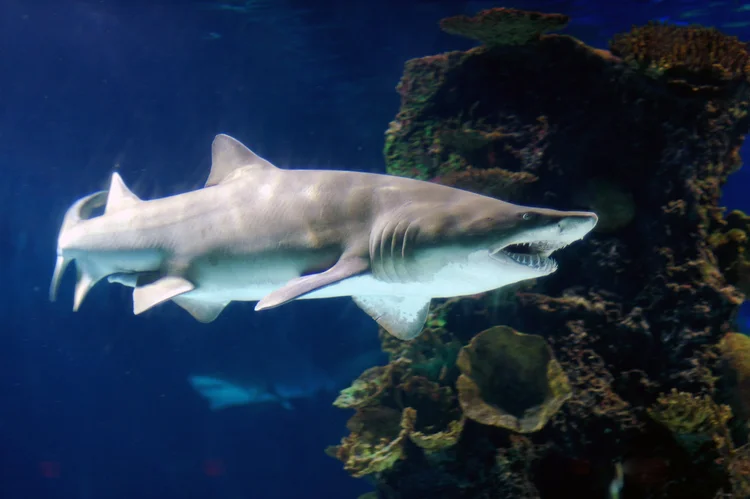
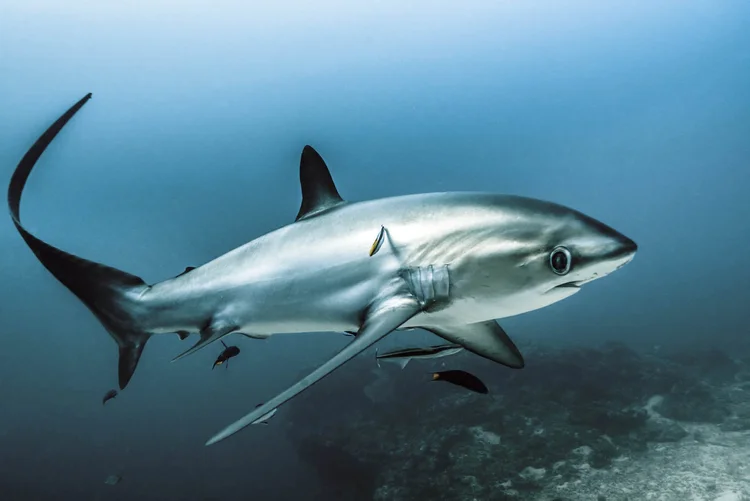
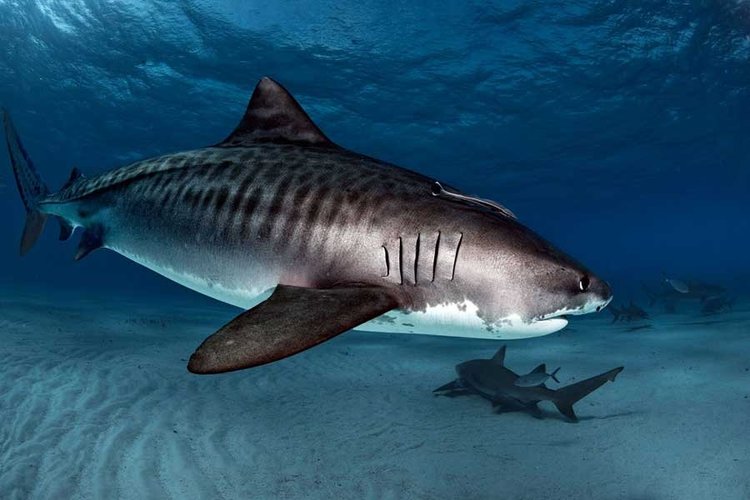
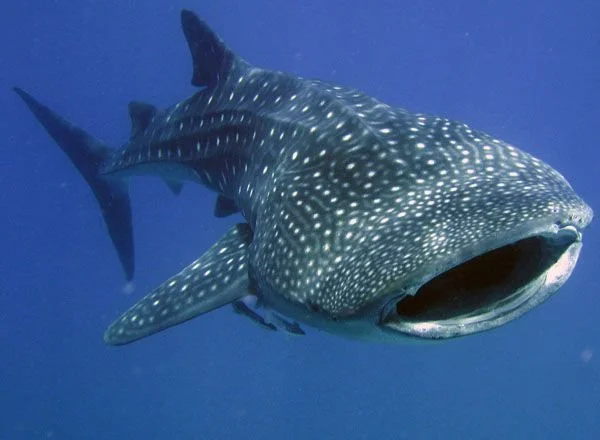
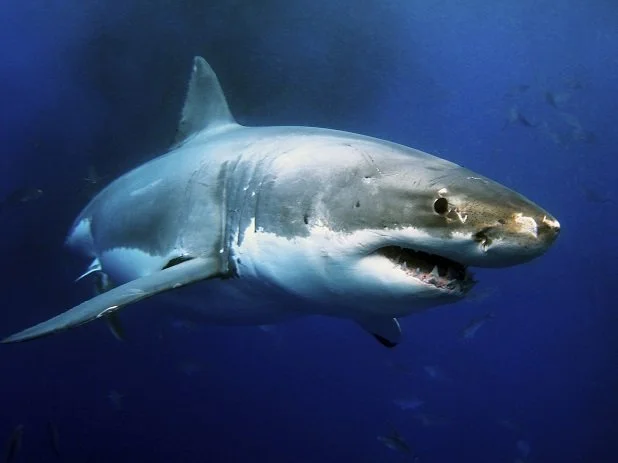
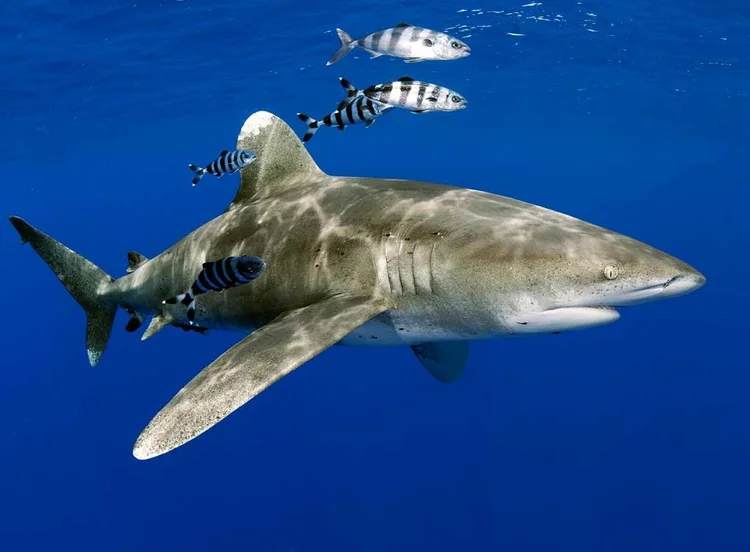
Shark Search Atlas currently supports individual identification and structured longitudinal records across the species and taxonomic groups shown below.
Atlas coverage is developed progressively as suitable imagery, validated identification features and scientific review become available. It does not define the wider research scope of Shark Search.
 01
01
 02
02
 03
03
 04
04
 05
05
 06
06
 07
07
 08
08
 09
09
 10
10
 11
11
 12
12
 13
13
 14
14
Turning shark research into knowledge people can use.
Scientific value grows when research can be understood, shared and carried forward beyond an individual project.
Shark Search translates research methods, observations and emerging knowledge into accurate and accessible scientific communication for students, educators, communities and the wider public.
This connection between research and education helps strengthen scientific literacy, build understanding of shark biology and ecology, and create meaningful pathways for people to engage with the science that supports long-term conservation.